When you recall your childhood, what stands out? For many of us, it’s not just toys or birthdays but the little rhythms of everyday life—being woken up by a parent, having breakfast at the same spot on the dining table, or bedtime stories before the lights went out. Those small, almost ordinary rituals gave our days a steady flow. For children, these routines are more powerful than we realise.
For children, a daily routine is like a gentle road map. It does more than simply keep things structured; it creates habits that teach self-control, patience, and focus. A routine can serve as a child’s compass in the distracting world of today.
Why Routines Work Like Magic
Children often feel calmer when they know what’s coming next. That sense of predictability lowers anxiety. Instead of constantly asking “what now?”, their minds are freed up for learning and playing. Over time, this creates a natural discipline.
Picture a child who knows they will have a snack, do chores, and play outside after school. Because the routine is already known, the child doesn’t waste time fighting or arguing. This flow creates focus without parents having to push too hard.
Morning Flow: How to Start Right
When you wake up, the first hour sets the tone for the whole day. A rushed start often makes people grumpy, while a calm start gives them energy and confidence. Some families find it helpful to:
- Fix a wake-up time that’s the same every day, even on weekends.
- Begin with freshening up and maybe a two-minute stretch or breathing exercise.
- Share a simple, healthy breakfast together.
One parent once told me that she used a picture chart for her five-year-old: brush teeth, wash face, eat, pack bag. The child loved ticking off each task and it turned the morning rush into a game.
After-School Reset
When children come back from school, their energy is all over the place. Some are excited, others tired. A small transition period works well. Let them rest, eat something light, and then gently move into homework or reading.
This structure becomes part of the everyday routine for kids. Instead of random distractions, the child slowly builds a habit: relax, study, play. With time, you’ll notice less resistance and more focus.
Don’t Forget Playtime
Many parents worry too much about homework and forget that movement and play are just as important. A child who gets to run, cycle, or play a sport comes back sharper and calmer. Short breaks, even 10 minutes of dancing to music or tossing a ball, refresh the brain.
One of the boys I know hated doing maths work. His parents tried something new: they studied for 20 minutes and then skipped for 10 minutes on the porch. He started to finish maths faster because he knew he could play soon. That’s how habit works.
The Power of Bedtime Rituals
Sleep is often the most ignored part of a child’s day, yet it’s the foundation of focus. Children who sleep at regular times wake up fresh and less irritable. The trick is consistency.
Here’s a simple example: bath, pyjamas, story, lights off. Done at the same time every night, this pattern becomes second nature. Add a short reading time if your child enjoys books. Avoid screens just before bed—this one rule alone makes sleep much smoother.
Flexible, Not Rigid
Some parents worry that routines make life too strict. The truth is, routines are meant to guide, not to trap. Of course there will be festivals, trips, or days when things don’t go to plan. That’s fine. The goal is to return to the rhythm once things settle.
Think of it like music. The beat is steady, but there’s room for improvisation. That’s how a daily routine for kids should feel.
Helping Kids Take Charge
The best routines are not those forced on children, but those that involve them. When you ask, “Do you want to do homework before or after your snack?” you give the child a sense of choice. Slowly, they learn to manage their time.
A mother once recounted how her daughter, who was barely 7 years old, started packing her school bag on her own at night. Why? The routine had become a habit, and the little girl enjoyed the independence it provided.
Sample: My Daily Routine for Kids
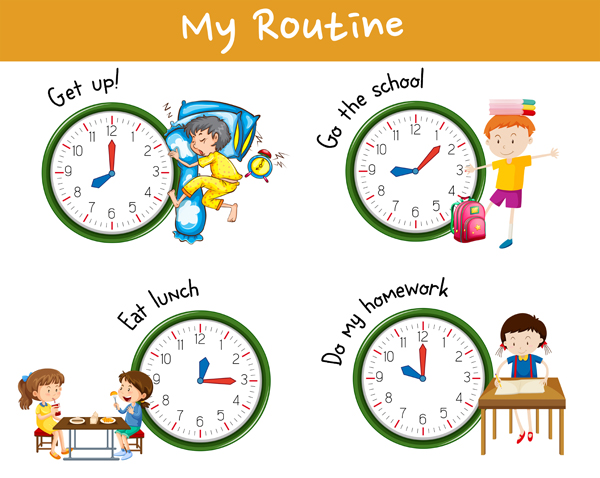
For younger kids (4–7 years):
7:00 am – Wake up and freshen up
7:30 am – Breakfast
8:00 am – Get ready for school
1:30 pm – Lunch after school
2:00 pm – Rest or nap
4:00 pm – Snack and homework
5:00 pm – Outdoor play
7:30 pm – Dinner
8:30 pm – Story and sleep
For older kids (8–12 years):
6:30 am – Wake up, light exercise
7:00 am – Breakfast
7:30 am – School time
3:00 pm – Snack + downtime
4:00 pm – Homework or reading
5:30 pm – Sports or hobby class
7:30 pm – Dinner with family
9:00 pm – Reading, journaling, or quiet time
9:30 pm – Bedtime
These are just guidelines. Families can tweak them based on lifestyle, school schedules, and the child’s needs.
Simple Tips for Parents
Use wall charts or stickers to make routines fun.
Don’t aim for perfection. Celebrate consistency instead.
Lead by example—when kids see you following your own routine, they imitate it.
Change things slowly. Start with one time of the day and build from there.
Talk about routines positively, not as rules but as helpful guides.
The Bigger Picture
There’s more to a kid’s day than just doing their homework and getting ready for bed. To grow self-control, confidence, and duty, you need to plant the right seeds. They will always have these traits, even when they are adults.
The kids may resist at first, but they’ll enjoy it once they feel calm and in control. Families also learn that having a plan for the day makes things run more smoothly.
Conclusion
There is no magic way to make kids focused and controlled. But making a plan and following it is one of the best things parents can do. Do something simple at first, like going to bed, and work your way up. Your child will soon be able to handle the day better and feel better about themselves.
Every day at Kangaroo Kids International Preschool, we learn through gentle practices. Our programmes give kids a good mix of structured chores and free play, so they learn to be focused, happy, and self-disciplined. Come see us to learn how we help people form habits that will last a lifetime.