My daughter questioned, “Is that star moving, or is it a rocket,” looking up at the heavens one evening. It made me realise how inherently curious young children are and how space, with all its glittering lights and mystery, catches their imagination almost instantly.
Preschoolers are bursting with such wonder. One lunar inquiry can set off a full-fledged conversation on galaxies, planets, and astronauts far, far away. To be very honest, teaching the solar system to a 4-year-old is not exactly like strolling in a park.
That’s where play steps in. Little ones are kept interested by fun, active games, which also help them to make abstract concepts like planets and orbits more tangible and reasonable. Your living area may become a little universe with the correct balance of movement and design.
Preschoolers will find some basic, hands-on planets games here as entertaining as they are instructive. Perfect for a weekend afternoon of space-themed play, these planets games for preschoolers are simple to set up and call for few materials.
Planet Hopscotch
For each planet, take some large sheets of paper or floor tape and draw a circle for each one. Put names on them like “Earth,” “Mercury,” and “Venus.” Then name a planet and tell your kid to hop to it. It’s a great way to learn names and positions, and they’ll love the jumping too!
To add learning:
- Mention fun facts like “Venus is the hottest” or “Earth is where we live.”
- Use the game to teach sequencing of the planets.
- This simple physical activity builds motor skills, memory, and early science vocabulary.
DIY Solar System Puzzle
Cut out circles from cardboard in different sizes for each planet. Your kid can paint and draw on them with chalk, art paper, or foil. Ask them to put the planets together in order from the sun when they are ready.
This game:
- Builds spatial awareness.
- Helps children differentiate planet sizes and names.
- Encourages fine motor skills through cutting and gluing.
- Preschoolers love anything they can build and break. Make it a group task to boost teamwork.
Planet Matching Game
Print out pairs of planet pictures. Use real images from space agencies if possible. Your child should mix them up and find the pairs that go together. Starting with just a few worlds will make it easier as you go.
Matching games sharpen:
- Visual memory.
- Focus and observation.
- Ability to distinguish colours and shapes.
- To keep it fresh, introduce moons or space objects like the sun and asteroids once your child masters planets.
Planet Story Time with Stuffed Toys
Line up your child’s soft toys and turn them into planets. Create a simple storyline. For example, Teddy is Mars, and he wants to visit Earth. Bunny is Jupiter who protects smaller planets from space rocks.
Story-led games are great for:
- Imagination and language development.
- Introducing planet characteristics in simple ways.
- Bonding with your child through shared play.
- Ask questions during the story. “Why do you think Mars is red?” or “Who do you think is the biggest planet?”
The Planet Destroyer Game
This game brings a fun twist to space learning. It needs supervision and some creativity.
Use soft balls to represent asteroids and line up balloons labelled with planet names. The rule? Only target ‘non-planets’ like space junk or former planets like Pluto. Real planets must be protected.
The planet destroyer game helps children:
- Learn planet names and recognize real vs. imaginary.
- Build decision-making skills.
- Develop coordination.
To make it more playful, add time limits or ask questions before each throw like, “Which planet has rings?”
Space Scavenger Hunt
Hide space-related items around the house or classroom. These could include toy rockets, planet cards, or flashlights (representing the sun). Give clues like “Find the planet that is third from the sun.”
A scavenger hunt:
- Builds logic and problem-solving.
- Encourages movement and exploration.
- Reinforces memory of planet order and facts.
- End the hunt with a reward like a paper astronaut badge or a handmade telescope.
Planet Art Station
Prepare a corner using sponge brushes or circle stamps to create planets, black chart paper for space, and white paint for stars. Coins, bottle caps, and lids can also be used for printing.
Make it more meaningful by:
- Assigning each planet a colour.
- Letting your child choose which planet they want to draw.
- Talking about each planet while they paint.
- This sensory activity boosts creativity while keeping the learning focus on space.
Space Songs and Movement
Songs stick with children. Use simple tunes with space themes like:
- “Zoom Zoom Zoom, We’re Going to the Moon”
- “Eight Planets in Our Solar System”
- Add hand moves or actions like stomping (to show how rockets are launched) or swaying arms (to show Saturn’s rings).
Music games help children:
- Retain information better.
- Develop rhythm and coordination.
- Feel confident and excited about learning.
Planet Sorting Game
Create flashcards including planet names and broad facts about them, such as their size, distance from the sun, or number of moons. Based on questions like “Which ones have rings?” or “Which ones are smaller than Earth?” have your child group planets.
Planet sorting builds:
- Critical thinking.
- Listening and categorization skills.
- Confidence in handling multiple variables.
- You can turn it into a board game format as your child grows older.
Space Snack Time
Make learning a part of meals. For Mercury, serve round fruits like grapes, oranges, or watermelon slices for Jupiter. For Saturn, serve watermelon rings. Talk about each fruit’s “planet” while eating.
Ask things like:
- “What do you think this fruit planet is made of?”
- “Is this planet close to the sun or far away?”
- This playful link between food and learning makes the information stick in a fun and natural way.
That was our definitive list of planets games for preschoolers!
Choosing the Right Game
Every child is different. Some enjoy active play; others prefer drawing or puzzles. Observe your child’s interest and pick the games that match their energy and style.
Start with one game a week. Repeat the ones they love. Keep adding simple facts like “Mars is cold” or “Jupiter is big” without overloading them.
Games are most effective when the focus is on fun. Learning follows when your child is involved, curious, and free to ask questions.
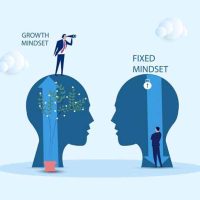
Looking to Build a Space-Loving Mindset?
Play-based learning is important to us at Kangaroo Kids International Preschool. Through hands-on activities that they will remember for a long time, our programs are meant to help kids learn about science, language, and logic.
Visit www.kangarookids.in to know how we bring space, science, and imagination into your child’s early years.