What is the screen-time dilemma every parent faces today?
- “Just five more minutes!”
- “Please don’t take it away!”
- “Let me finish this video!”
For parents across India and around the world, managing screen time has become one of the most common daily struggles. With smartphones, tablets, and televisions easily accessible, children are naturally drawn to screens. While screens can offer educational value, excessive use can affect attention, sleep, and behaviour. The real challenge is not eliminating screens, but managing them without constant conflict.
This is where practical, flexible screen-time rules for kids come in. Instead of strict bans or constant negotiations, parents can create balanced routines that work for both children and families.
Why Screen-Time Needs Balance
The Impact of Excessive Screen Use
Too much screen exposure can lead to:
- Reduced attention span
- Sleep disturbances
- Limited physical activity
- Increased irritability
This makes it essential to establish healthy screen-time rules for kids early on.
Screens Are Not the Enemy
It is important to remember that screens are not inherently bad. They can:
- Provide educational content
- Support learning
- Offer entertainment
The goal is balance, not elimination.
Understanding Why Power Struggles Happen
The Problem with Sudden Restrictions
Children resist when:
- Screens are taken away abruptly
- Rules are unclear
- Expectations change frequently
This often leads to frustration and conflict.
Emotional Attachment to Screens
Screens are engaging and stimulating, making it difficult for children to transition away from them. This is why managing tantrums becomes a key part of screen time management.
Setting Effective Screen Time Rules for Kids
Be Clear and Consistent
Establish Simple Rules Effective screen time rules for kids should be:
- Clear
- Consistent
- Age-appropriate
For example:
- “30 minutes after homework”
- “No screens before bedtime”
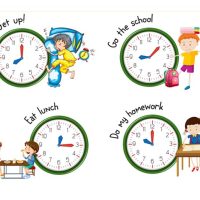
Use Visual Schedules
Children respond well to visual cues. Create a daily routine chart that includes:
- Playtime
- Screen time
- Study time
This reduces confusion and resistance.
The “When/Then” Approach
A Powerful Parenting Strategy
Instead of saying:
- “Stop watching now”
Say:
- “When you finish your homework, then you can watch TV.”
This approach:
- Sets clear expectations
- Encourages responsibility
- Reduces conflict
Examples of When/Then Rules
- “When you clean up your toys, then you can use the tablet.”
- “When dinner is finished, then we can watch a show together.”
This method is one of the most effective screen time rules for kids.
Creating Healthy Screen Habits
Set Screen-Free Zones
Where Screens Should Be Limited
- Dining table
- Bedrooms
- Family time areas
This encourages interaction and reduces dependency.
Establish Screen-Free Times
Key Moments to Protect
- Morning routines
- Mealtimes
- Before bedtime
These boundaries support better habits.
Encouraging Alternative Activities
Alternatives to Screen Time for Toddlers
Simple and Engaging Options Finding an alternative to screen time for toddlers is essential. Ideas include:
- Building blocks
- Colouring and drawing
- Outdoor play
- Storytelling
These activities naturally reduce screen dependency.
Managing Tantrums During Screen Transitions
Why Tantrums Occur
Children may resist transitions because:
- They are deeply engaged
- They lack warning
- They feel a loss of control
Strategies for Managing Tantrums
Give Advance Warnings
- “5 more minutes, then we stop.”
- “After this video, it’s time to switch off.”
Stay Calm and Firm Avoid reacting emotionally.
- Acknowledge feelings
- Maintain boundaries
Offer Choices Give children a sense of control:
- “Do you want to turn it off now or after one more minute?”
These strategies help in managing tantrums effectively.
Role of Parents in Screen Time Management
Be a Role Model
Children Imitate Adults If parents are constantly on screens, children will follow. Practice:
- Limiting your own screen time
- Engaging in family activities
Engage in Co-Viewing
Watch Together Instead of passive viewing:
- Watch with your child
- Discuss content
- Ask questions
This makes screen time more meaningful.
Digital Detox for Family
Why It Matters
A regular digital detox for the family helps:
- Strengthen relationships
- Improve communication
- Reduce screen dependency
Simple Detox Ideas
- No-screen Sundays
- Family game nights
- Outdoor activities
These practices create balance.
Balancing Screen Time with Real-Life Experiences
Importance of Offline Activities
Children need:
- Physical play
- Social interaction
- Creative exploration
These experiences cannot be replaced by screens.
Building a Balanced Routine
A healthy routine includes:
- Limited screen time
- Active play
- Learning activities
This balance supports overall development.
Common Mistakes to Avoid
- Using Screens as a Reward or Punishment: This can increase dependency.
- Inconsistent Rules: Changing rules frequently leads to confusion.
- Overly Strict Bans: Strict bans can lead to resistance and secrecy.
Long-Term Benefits of Healthy Screen Habits
Children who follow balanced screen time rules for kids are more likely to:
- Develop better focus
- Build strong social skills
- Maintain healthy routines
These habits contribute to lifelong well-being.
Practical Daily Routine
Sample Schedule
- Morning: No screens
- Afternoon: Limited screen time after tasks
- Evening: Family activities
- Night: Screen-free wind-down
This structure supports consistency.
Indian Parenting Perspective
Balancing Tradition and Technology
Indian families often emphasise:
- Family bonding
- Cultural activities
- Shared responsibilities
Integrating these values with modern routines helps manage screen time effectively.
Creating Harmony Without Conflict
Managing screen time does not have to be a daily battle. With clear expectations, consistent routines, and thoughtful strategies, parents can create a balanced approach that works for everyone. By implementing practical screen time rules for kids, using techniques like the “when/then” approach, and offering meaningful alternatives, families can reduce conflict and build healthier habits.
In India and across the world, the goal is the same: to raise children who can use technology wisely while enjoying the richness of real-life experiences. Because in the end, it’s not just about removing screens. It is about creating balance without power struggles. Find out how Kangaroo Kids supports healthy habits and holistic child development.