In a country as diverse and vibrant as India, the idea of community is not abstract; it is lived every day. From apartment complexes celebrating Diwali together to neighbourhood children playing cricket in narrow lanes, Indian childhood is deeply rooted in shared spaces. Yet in rapidly urbanising cities and increasingly nuclear families, children may grow up knowing screens better than they know their neighbours.
This makes it more important than ever to consciously build a sense of community in early childhood. One of the most practical and effective ways to do this is to introduce kindergarten students to community helpers in meaningful, real-world contexts. When children understand who helps them and how society functions, they begin to develop empathy, gratitude, and a sense of participation, which are core aspects of healthy social development.
Why Community Learning Matters in Early Childhood
Early childhood is when children first expand their world beyond the family. School, neighbourhood parks, local shops, and festivals become part of their daily experience. Children learn citizenship not merely through civics lessons but through participation in everyday community life, and building empathy and cooperation in childhood strengthens long-term civic responsibility. This reinforces why teaching about community helpers for kindergarten is not just a school activity; it is a foundation for lifelong social values.
Understanding Community Through Everyday Indian Life
In India, community life is visible everywhere:
- The milkman delivering at dawn.
- The security guard greeting residents.
- The vegetable vendor calling out fresh produce.
- The sanitation worker maintaining cleanliness.
- The traffic police managing chaotic junctions.
Introducing community helpers for kindergarten through these familiar figures makes learning relatable and meaningful. Children do not need abstract definitions. What they need are connections.
What Are Community Helpers?
Community helpers are people who provide services that keep our society functioning smoothly. For kindergarten children, these may include:
- Doctors
- Teachers
- Police officers
- Firefighters
- Farmers
- Postmen
- Sanitation workers
Teaching about community helpers for kindergarten helps children understand that every role has value, regardless of social status. This early awareness nurtures equality and respect.
Building Belongingness in School
Schools are often a child’s first structured community outside the home. To foster belongingness in school, educators can:
- Introduce non-teaching staff to students.
- Celebrate “Community Helper Day.”
- Organise visits from local professionals.
When a child meets the school bus driver or the librarian and learns about their role, they begin to feel part of something larger. Understanding community helpers in the school context helps kindergarten students appreciate teamwork and cooperation.
Connecting Community Learning to Indian Festivals
Indian festivals are powerful opportunities to teach community values.
1. Diwali: Collective Celebration
During Diwali, communities come together to decorate shared spaces and exchange sweets. Teachers can connect this to electricians, shopkeepers, and artisans who help make the festival possible.
2. Ganesh Chaturthi: Public Participation
Community pandals showcase teamwork: priests, decorators, volunteers, and security personnel all contribute.
3. Eid and Christmas: Shared Traditions
Children can learn about bakers, tailors, and delivery workers who support festive preparations.
By linking festivals to community helpers for kindergarten, children see how celebrations depend on cooperation. Festivals naturally promote social responsibility for kids when children are encouraged to:
- Help clean up after celebrations.
- Share sweets with neighbours.
- Thank helpers who support the event.
Neighbourhood Playgroups: The First Social Circle
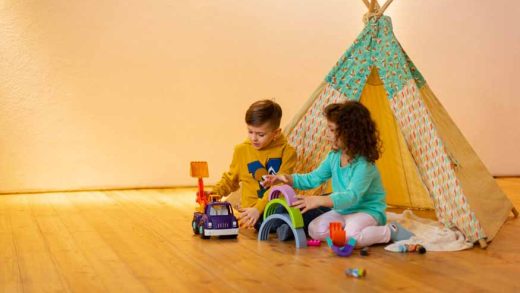
In many Indian localities, informal playgroups in parks or apartment courtyards create early social bonds. Encouraging children to:
- Share toys,
- Wait for their turn,
- Help younger children, Develops cooperation and empathy.
Parents can integrate discussions about community helpers for kindergarten during playtime:
- “Who keeps this park clean?”
- “Who waters the plants?”
- “Who built the swings?”
Such conversations enhance neighbourhood awareness and gratitude.
Practical Ways to Teach About Community Helpers
1. Real-Life Visits
Take children to:
- A local post office.
- A fire station.
- A nearby clinic.
Seeing professionals at work reinforces learning. These experiences make community helpers for kindergarten tangible rather than theoretical.
2. Role-Play Activities
Set up pretend play corners at home or school:
- A mini hospital.
- A grocery shop.
- A classroom.
Role-play helps children internalise responsibilities and understand cooperation. When children pretend to be doctors or shopkeepers, they explore fairness and service.
3. Invite Helpers to Speak
Schools can invite:
- A traffic police officer.
- A nurse.
- A sanitation worker.
Hearing their stories builds respect and breaks stereotypes. It also strengthens belongingness in school by showing children how schools connect to the broader community.
4. Gratitude Projects
Encourage children to:
- Make thank-you cards for helpers.
- Participate in cleanliness drives.
- Donate toys during festivals.
Such actions promote social responsibility for kids in age-appropriate ways. When gratitude becomes a habit, empathy follows.
Teaching Equality Through Community Awareness
Indian society often carries visible economic and social hierarchies. Teaching young children to value every helper equally is crucial. Explain that:
- A doctor and a gardener both contribute meaningfully.
- Respect is not based on income.
- Every job requires skill and dedication.
Discussing community helpers for kindergarten with this lens fosters inclusivity and dignity.
Community in Rural and Urban India
In rural India:
- Farmers, anganwadi workers, and panchayat leaders play central roles.
In urban India:
- Delivery executives, metro staff, and apartment association members are key figures.
Parents and teachers should contextualise community helpers for kindergarten based on their local environment. This strengthens neighbourhood awareness and relevance.
Encouraging Participation, Not Just Observation
Community learning should not be passive. Children can:
- Help segregate waste at home.
- Water plants in common areas.
- Participate in colony clean-up drives.
Even small acts build ownership. When children contribute, they feel valued, and this sense of contribution strengthens community bonds.
Building Empathy Through Stories
Storybooks featuring:
- A hardworking postman.
- A brave firefighter.
- A caring nurse.
Help children emotionally connect with helpers. Teachers can ask:
- “How would the town function without this person?”
- “How can we show appreciation?”
Integrating storytelling with lessons on community helpers for kindergarten deepens understanding.
Digital Age and Community Awareness
In today’s screen-dominated world, children may know cartoon characters better than real-life helpers. Balance screen time with real-world exposure. Encourage children to:
- Greet security guards.
- Thank delivery personnel.
- Learn the names of neighbours.
Simple interactions reinforce social connections.
The Long-Term Benefits of Community Learning
Children who grow up understanding community roles are more likely to:
- Respect diversity.
- Develop cooperation skills.
- Show empathy.
- Participate in civic life.
Early lessons on community helpers for kindergarten lay the groundwork for responsible adulthood. Community awareness reduces prejudice and builds unity, which is especially important in India’s multicultural society.
Strengthening Family-Community Bonds
Parents can:
- Participate in Resident Welfare Association (RWA) events.
- Organise festival potlucks.
- Encourage children to perform in community programs.
These shared experiences strengthen intergenerational bonds and social networks. Children who feel connected are less likely to feel isolated.
Final Thoughts: Community Is Learned by Living It
Community cannot be taught solely through worksheets or classroom posters. It must be experienced. When children:
- See adults respecting helpers,
- Participate in neighbourhood activities,
- Celebrate festivals collectively,
- Engage in playgroups, They internalise belonging.
Teaching about community helpers for kindergarten is more than a curriculum requirement; it is an investment in empathy, gratitude, and cooperation. In a country as interconnected as India, building a sense of community early ensures that the next generation grows not just as individuals, but as responsible members of society. Because when children understand who supports them, they learn to support others in return.
Find out how community is a part of the daily curriculum at Kangaroo Kids.