You’ve seen a toddler sit with a pile of blocks before, so you’re familiar with the scene. One block stacks on top of another. Then another. Then—crash—everything falls down. The child squeals, picks up the blocks, and starts over. To us, it may appear chaotic. They see it as the purest form of learning.
Play is an inevitable aspect of being a kid. Also, play changes how we remember things, concentrate, solve problems, and even grasp emotions during those early years when our brains are developing faster than ever. This is when toddler educational toys truly shine.
The Magic Years
Between ages one and three, the brain is like wet clay. Every touch, sound, and interaction leaves an impression. Scientists estimate that more than a million neural connections form every second in these years. Imagine that every block built, puzzle piece put together, and rhyme sung is making paths that will last forever.
Moms and dads sometimes wonder if toys really make a difference. Not every toy, no. But carefully picked ones, which are what we call “educational fun toys for toddlers,” definitely do.
What Play Teaches Without Us Noticing
Let’s go back to the blocks. A simple game of stacking teaches:
- Balance and gravity (why some towers stand and others fall).
- Fine motor skills (tiny hands, big concentration).
- Patience and persistence (try, fail, try again).
- Creativity (today it’s a tower, tomorrow it’s a rocket).
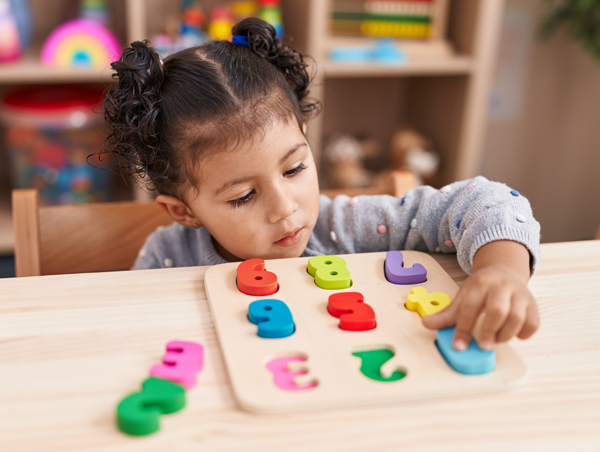
Now think about a puzzle. Every time a toddler rotates a piece to see where it fits, they’re sharpening spatial awareness. When they squeal “circle!” while pointing, that’s vocabulary building.
Even pretend play has hidden lessons. A little one feeding a doll or “fixing” a teddy bear with a toy stethoscope is learning empathy, care, and how the adult world works.
What Makes a Toy “Educational”?
It’s not about flashing lights or talking gadgets. In fact, simpler is often better. A good educational toy usually has three things:
- It invites curiosity. The child wants to touch, explore, and repeat.
- It grows with the child. The same set of blocks can be used differently at age two, three, or four.
- It sparks conversation. Toys that get parents and kids playing together amplify learning.
So yes, a fancy robot can be educational—but so can a humble set of stacking cups.
Tried-and-Tested Winners
Here are some categories parents and teachers swear by:
- Blocks and construction sets: endless creativity plus problem-solving.
- Simple musical instruments: shakers, drums, xylophones—great for rhythm and memory.
- Puzzles: age-appropriate ones with chunky pieces.
- Pretend play kits: kitchens, doctor sets, tool benches.
- Art supplies: crayons, playdough, and finger paints.
- Interactive books: lift-the-flap, sound buttons, or simple picture books.
These are often counted among the top-rated educational fun toys for toddlers, not because they are expensive, but because they are timeless.
A Few Stories from Real Life
Aarav, age three, started with stacking cups. At first, he just knocked them down. A month later, he was sorting crayons by colour into each cup. Without realising it, he was practising classification and early maths.
Anaya, two and a half, had a doctor’s kit. She “checked” her doll’s heartbeat and bandaged its arm. Soon she was using words like “temperature” and “medicine.” Play had become vocabulary practice and fear reduction for real doctor visits.
Parents who’ve seen these small shifts know the power of toys. They are not just for passing time—they are tools for shaping thought.
Parents Make the Difference
Here’s the secret: toys alone don’t do all the magic. Your presence matters.
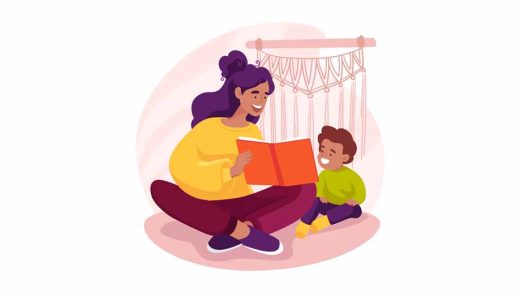
When you sit down and play with your toddler, narrating what they do (“You put the red block on the blue one!”), You’re doubling the learning. When you ask questions like “What happens if we stack it the other way?” you’re teaching curiosity.
And don’t forget the power of rotation. Putting a toy away for a few weeks and bringing it back later makes it feel brand new.
Beyond the Playroom
Remember, learning isn’t locked inside toy boxes. Everyday household items can be just as powerful:
- Empty cartons become garages for toy cars.
- Scarves turn into superhero capes.
- Pots and wooden spoons make a toddler band.
The point is to give space for exploration, not fill every moment with structured play.
Wrapping Up
Educational toys for toddlers are not intended to transform toddlers into child prodigies in a single day. The purpose of these activities is to provide children with opportunities to explore, create, and dream while their brains are developing the neural pathways and connections that will be necessary for the rest of their lives. The appropriate toy at the appropriate moment, whether it be blocks, puzzles, or crayons, helps to develop abilities silently in the background.
So, when your child is so absorbed in play that they lose track of their surroundings, take a moment to watch. Their brains are working more than you would imagine, even though it is hidden beneath the laughter.
Play is the foundation of all of our activities at Kangaroo Kids International Preschool. We design our classrooms with the intention of evoking in students the same sense of excitement and curiosity that the best educational toys for babies are able to elicit. We are committed to cultivating not only early learning but also the confidence and creativity that will remain with people throughout their entire lives.